
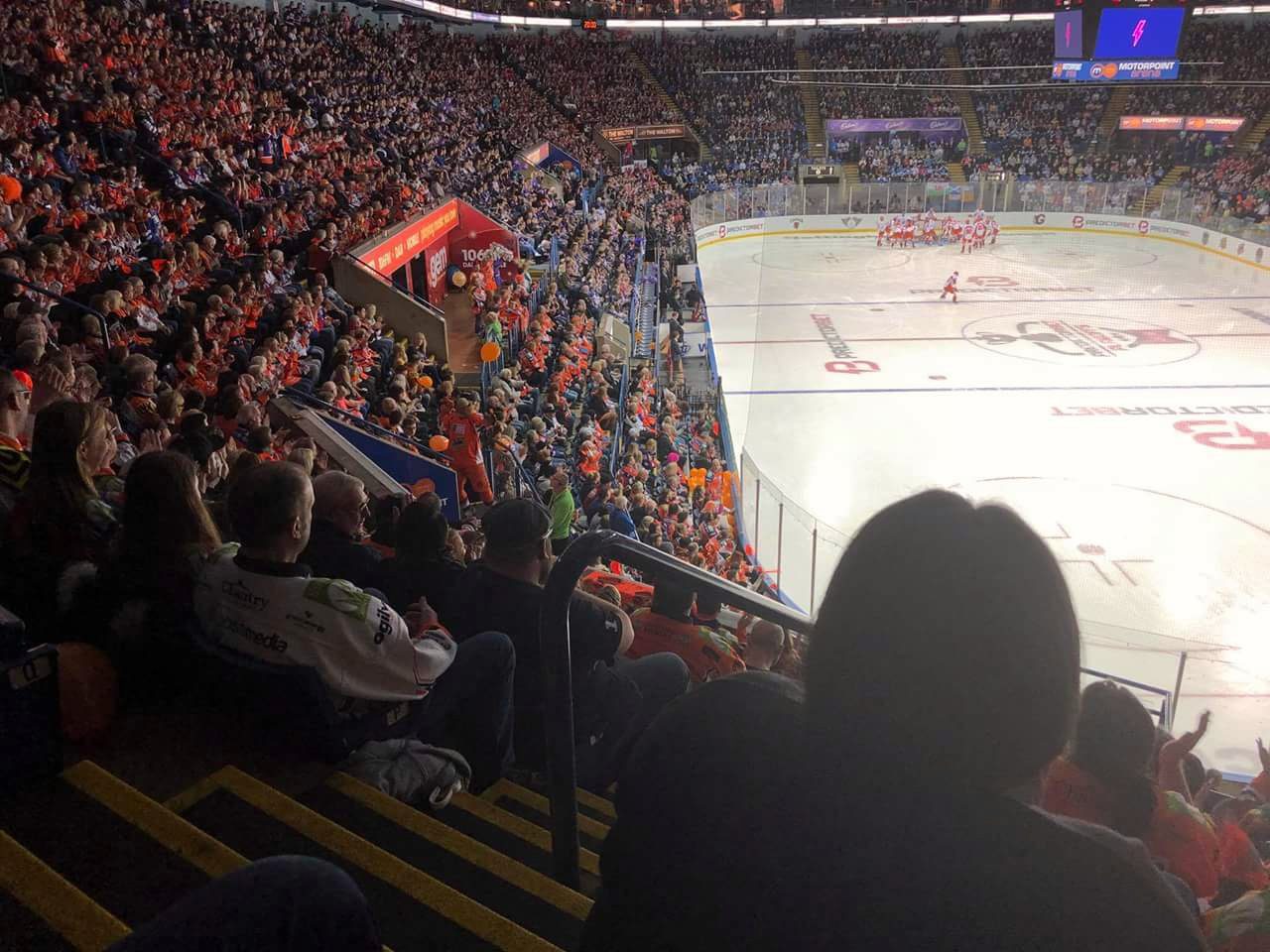
Ice hockey crowds in Britain are passionate but famously family-friendly. Whether you’re cheering the Elite Ice Hockey League (EIHL), NIHL, or a university rivalry, the vibe is loud, witty, and—most nights—welcoming to first-timers. That said, arenas have strict standards to keep the sport safe and inclusive. Below is a practical guide to what’s typically allowed, what isn’t, and how to enjoy the night without running afoul of house rules or social norms. Always check the specific venue’s code of conduct; procedures vary slightly by arena, but the spirit is consistent across the UK.
Quick Rules Table (What You Can and Can’t Do)
| Topic | Generally Allowed | Not Allowed | Notes |
| Entry & Tickets | Arrive early; keep your ticket/QR ready; comply with bag checks. | Using someone else’s concession ticket; forcing entry after cutoff. | Many arenas use digital tickets and random bag searches. |
| Bags & Items | Small bags, soft cases, medical/childcare items. | Large backpacks, hard cases, weapons, fireworks, flares, glass. | Some venues ban outside food; medical exceptions are usually honored. |
| Seating & Standing | Stand to celebrate, short chants, quick photos from your seat. | Persistent standing in seated blocks; blocking aisles/steps. | Standing sections exist in some arenas; follow steward instructions. |
| Alcohol | Buying/consuming beer, cider, wine in legal quantities. | Bringing your own alcohol; serving intoxicated fans; underage drinking. | You may be ID’d. Visibly drunk fans can be refused service or ejected. |
| Smoking & Vaping | Using designated outdoor areas. | Smoking/vaping inside, in toilets, on concourses. | Many arenas are fully smoke-free indoors. |
| Noise & Instruments | Applause, goal horns (venue-operated), coordinated claps, pre-approved drums. | Air horns brought from home, sirens, whistles that confuse play. | Check if supporter groups have drum permission and where to stand. |
| Language & Chants | Loud, clever, non-abusive chanting; team-positive songs. | Racist, homophobic, sexist, or xenophobic language; personal abuse; threats. | UK arenas enforce zero tolerance; you can be removed and banned. |
| Throwing Objects | Towels/scarves over shoulders, foam fingers, confetti if permitted. | Throwing coins, drinks, or any object onto the ice or stands. | Object throwing is treated as a safety incident—expect ejection. |
| Photos & Video | Casual photos for personal use; short clips from your seat. | Professional gear without media pass; live-streaming full games. | Broadcast rights are protected; repeated filming may draw steward action. |
| Food & Drink | Buying concessions; sealed soft drinks if the venue allows. | Hot food from outside; glass bottles; high-proof spirits. | Policies vary; check the arena FAQ ahead of time. |
| Clothing & Banners | Team jerseys, scarves, fun signs that don’t block views. | Signs with hate speech/ads; flags on poles; costumes that hide identity. | Face coverings for health are fine; masks that conceal identity often aren’t. |
| Kids & Families | Ear protection for kids; prams stored where allowed; family blocks. | Leaving children unattended; blocking pram routes/exits. | Ask stewards about family seating and quiet areas. |
| Steward Directions | Asking for help; following seat moves during congestion. | Arguing with stewards; ignoring safety announcements. | Stewards’ decisions are final on the night. |
| Post-Game Conduct | Queue calmly, congratulate opponents, bin your rubbish. | Confrontations with players/officials; trying to access restricted areas. | Trespass near benches/tunnels is a fast route to bans. |
Deeper Etiquette: How to Be a Great UK Hockey Fan
1) Know the rhythm of the play.
Ice hockey punishes inattentiveness—pucks leave the ice fast. Keep your head up, especially if you’re near the ends or glass. Many arenas ask you to wait during active play, then move along the aisle at the next whistle so you don’t block sightlines.
2) Celebrate hard, not harmful.
Yes to high-fives, chants, and celebrating a big hit or breakaway. No to gloating in people’s faces or baiting opposing fans. Most British arenas seat families together; if your chant isn’t OK for a 10-year-old to overhear, don’t start it.
3) Respect rivals and officials.
Boo a call if you must, but avoid personal insults at referees, linespeople, or players. Abuse—especially anything identity-based—leads to removal and possibly a multi-game or lifetime ban. Clubs increasingly share information to enforce bans across venues.
4) Alcohol is a privilege, not a right.
UK venues take a “one warning” view. If staff think you’re over the line, they’ll stop service or ask you to cool off. Don’t argue; take on water and reset.
5) Keep the aisles clear.
Aisles and stair heads are safety lanes. Linger there and you’ll be moved on. If you need to stretch or calm a child, use concourses or designated spaces.
6) Supporter groups & drums.
If your section has an organized group, follow their lead on drums and songs. If you brought a drum without permission, be ready to stow it—many arenas require prior approval and limit drums to standing zones.
7) Merch and body language.
Wear your colors proudly, but don’t use them as a license to pick arguments. Smiles, quick banter, and self-deprecating humor go further than chest-thumping.
8) Clean up and be kind at the exit.
Leave your row tidy and be patient with bottlenecks. A little courtesy goes a long way with families and older supporters navigating the stairs.
Safety, Inclusion, and Zero-Tolerance Areas
- Hate speech and harassment: British arenas operate zero tolerance on racist, homophobic, sexist, or other discriminatory behavior. Verbal abuse, slurs, or targeted taunting = immediate ejection and potential police involvement.
- Physical contact and threats: Any shove, thrown object, or threat against fans, staff, officials, or players is treated as a safety incident. Expect bans and, in serious cases, arrest.
- Ice/bench incursion: Entering restricted zones (ice, player tunnels, benches) isn’t just rude; it’s dangerous. Do not try it—ever.
- Persistent rule-breaking: Stewards typically warn once. Keep pushing and you’ll be escorted out. If you feel you were treated unfairly, contact the club later—don’t escalate during the game.
Meeting People at the Rink: Flirt Nicely, Never Harass
Hockey crowds can be sociable, and match nights are a natural icebreaker (pun intended). If you’re open to meeting someone—maybe you spotted another fan in your team’s third jersey or you’ve been standing near the same group all season—follow this Joi.com playbook:
- Context first, romance second.
Open with hockey, not a pickup line. “First time here or a season ticket holder?” “What did you make of that penalty kill?” Shared context keeps things light and non-threatening. - Read the room (and the body language).
If the person turns away, gives one-word answers, or keeps their eyes on the ice, take the hint and disengage. Consent is a continuous signal, not a one-time checkbox. - Keep it public and brief.
A quick chat at the concourse, a laugh about the mascot, a “good luck for the third”—then back to your group. If there’s mutual interest, you can reconnect at intermission. - Compliments: specific, sports-adjacent, and optional.
“Love that retro jersey” lands better than comments on someone’s body. If you’re unsure, skip the compliment and stick to game talk. - No means no—immediately and permanently.
If they say they’re not interested, thank them for the chat and walk away. Do not circle back later, do not follow them to a different section, and do not press for socials. - Mind the age gap and power dynamics.
Rinks have teens, families, and youth teams in attendance. If you’re not sure someone is over 18, don’t flirt. Ever. - Use staff as a resource, not a target.
Stewards and servers are working. Be polite, tip where appropriate, and don’t treat staff interactions as flirt opportunities. - Move conversations online—respectfully.
If the vibe is good, you can say, “If you’d like to keep chatting after the game, I’m on Instagram as @___.” Keep it optional and non-pressuring. Prefer to get to know people digitally first? You can always connect through online platforms built for safe, consensual conversation—services like Joi.com focus on friendly, opt-in chats where boundaries are clear and you control the pace. Keep any follow-up respectful, and remember that consent online is as important as in person.
Final Whistle: The Spirit of British Hockey Fandom
British ice hockey thrives on loud support, humor, and hospitality. The best fans lift their team and the atmosphere: they chant without crossing lines, debate calls without getting personal, and make space for families, newcomers, and rivals. If you stick to three principles—safety, respect, and consent—you’ll fit right in. Celebrate the big saves, sing your lungs out, tidy your row, and treat every stranger like a potential future seat-mate rather than an opponent. That’s how you help the game grow, one good night at the rink at a time.


